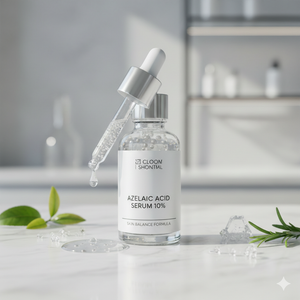
If you’ve seen skincare products labeled with “AZ” or “AZA,” chances are they feature Azelaic Acid or its derivatives as a key ingredient. While it’s gaining popularity among skincare lovers, many still don’t fully understand what it does or why it’s worth adding to your routine.
🚨Spoiler Alert: if you deal with acne, oily skin, redness, or clogged pores, you’ll want to keep reading.
Let’s break down what azelaic acid and its derivatives are, what they do for your skin, and why they’re especially perfect for young adults looking for real results without irritation.
Azelaic Acid: A Globally Trusted Acne-Fighting Powerhouse
Azelaic Acid is a naturally derived ingredient found in grains like wheat and barley. Despite its humble origins, it packs a serious punch in skincare. It’s been used for decades in over 80 countries as a prescription treatment for acne—and for good reason.
While it’s regulated as a prescription drug in some places, in the U.S. and Japan, it’s widely available in over-the-counter skincare products targeting excess oil, acne, and uneven skin tone. Best of all? It’s super gentle on the skin.☺️
Azelaic Acid vs. Azelaic Acid Derivatives: What’s the Difference?
Azelaic acid derivatives are modified versions of the original molecule—often combined with amino acids to improve skin penetration and reduce irritation. The result? A gentler, water-soluble version of azelaic acid that still delivers the same glow-up benefits.
Azelaic Acid (Original Form)
Oil-soluble and often found in creams or oil-based serums.
Fights acne-causing bacteria and inflammation.
Helps with redness, post-acne marks, and even mild hyperpigmentation.
Ideal for oily or breakout-prone skin.
Azelaic Acid Derivatives
Water-soluble and easy to include in toners or lightweight serums.
Just as effective at oil control and acne prevention.
Even gentler—great for sensitive or dry skin.
Perfect for daily, long-term use—even if you’re pregnant or breastfeeding.
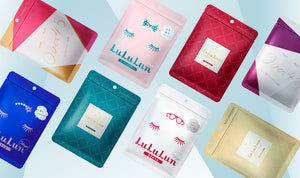
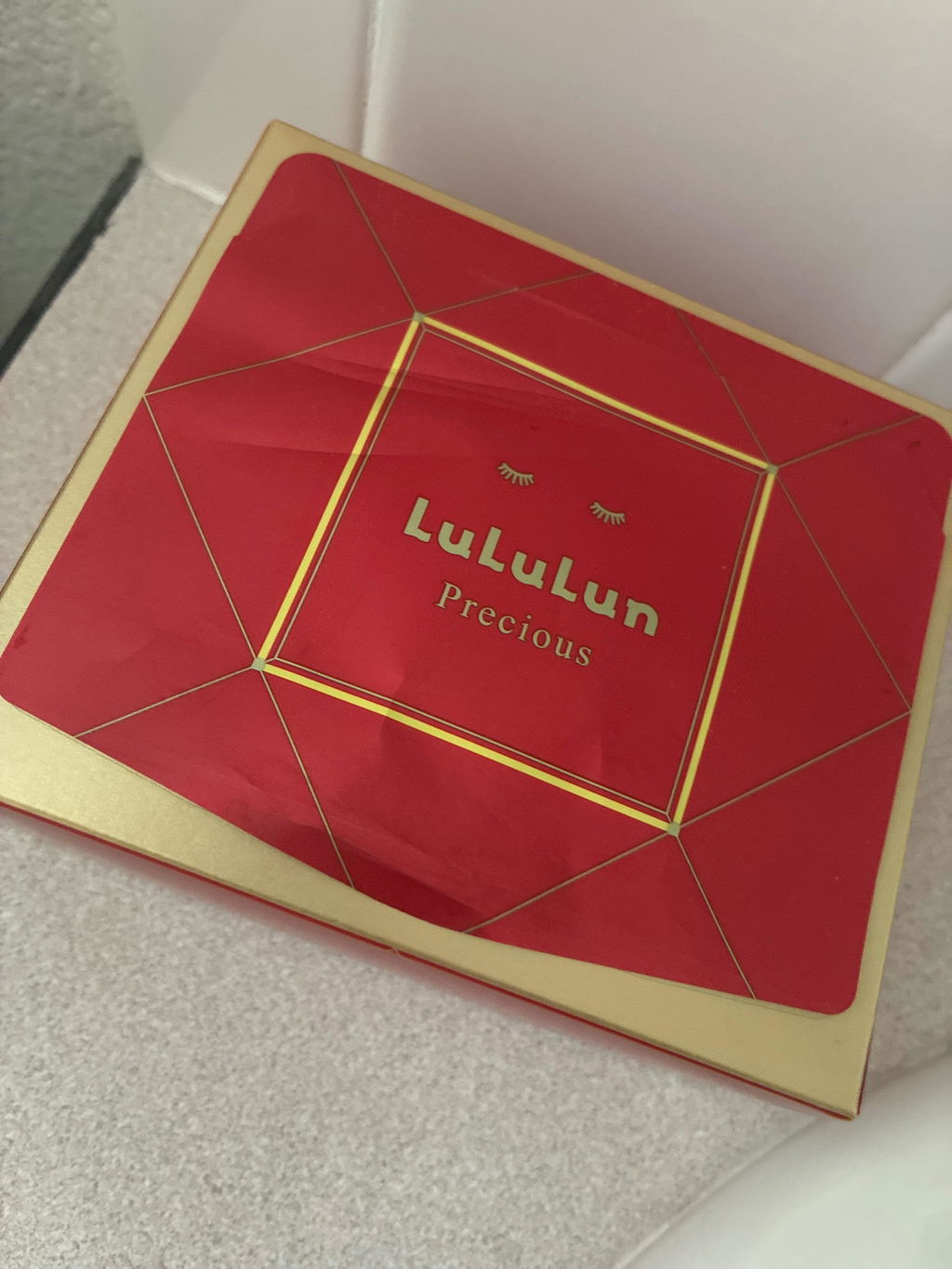
Lululun HYDRA-AZ sheet mask contains Azelaic Acid Derivative with Next-Gen Hyaluronic Acid targets various skin issues like dryness-induced visible pores, imbalanced skin, and roughness.

Skin Benefits of Azelaic Acid and Its Derivatives
Here’s what these multi-tasking ingredients can do for your skin:
✅ Controls Excess Oil
Balances sebum production to prevent greasy shine and future breakouts—perfect for oily or combination skin.
✅ Unclogs Pores
By reducing oil buildup, it helps keep pores clear and can minimize the appearance of blackheads.
✅ Smooths Skin Texture
Encourages healthy cell turnover to reduce rough patches and reveal smoother, fresher skin.
✅ Soothes Redness
Anti-inflammatory properties calm irritated skin and even help with conditions like rosacea.
✅ Fights Acne & Fades Scars
Targets acne-causing bacteria, prevents new breakouts, and fades post-acne pigmentation over time.
Best Skincare Pairings (And What to Avoid)
To get the most out of azelaic acid, it’s important to pair it with the right ingredients—and steer clear of combinations that may irritate your skin.
Dream Teams:
-
Hyaluronic Acid, Ceramides, Peptides
Hydrate and strengthen the skin barrier, especially if your skin feels a little dry from acne treatments. -
Niacinamide, Licorice Root, Glycyrrhetinic Acid
Help soothe irritation, brighten the skin, and support overall balance.
Use With Caution ⚠️:
-
High-Concentration Vitamin C
Can be too irritating when used together—alternate or use at different times of day. -
AHA/BHA (Chemical Exfoliants)
Combining strong exfoliants with azelaic acid may lead to over-sensitized skin. -
Hydroquinone
Effective for pigmentation, but often too harsh when paired with azelaic acid.
How to Add Azelaic Acid to Your Routine (Without Overdoing It)
☀️ Morning:
Start with a toner or serum that contains an azelaic acid derivative. It helps balance oil and gives your skin a fresh, hydrated base for makeup. Bonus: It helps keep your skin calm and less shiny throughout the day.
🌙 Night:
Reach for a cream or serum with azelaic acid to support skin regeneration while you sleep. This is when your skin is naturally repairing itself, and azelaic acid can help reduce acne, redness, and dark spots.
Struggling With Oily Skin or Clogged Pores? Azelaic Acid Might Be Your New Skincare MVP
Whether you’re battling breakouts, trying to calm redness, or just want smoother, clearer skin, azelaic acid (and its gentler derivatives) might be your perfect match. It’s effective, low-irritation, and easy to work into your daily skincare lineup.
Choose a formula that works for your skin type and lifestyle, and let this underrated hero ingredient do the heavy lifting.
Take Skin Type Quiz below to find out your perfect match!